Choosing Custom Shaker Bottles for Your Brand: A B2B Buyer’s Guide
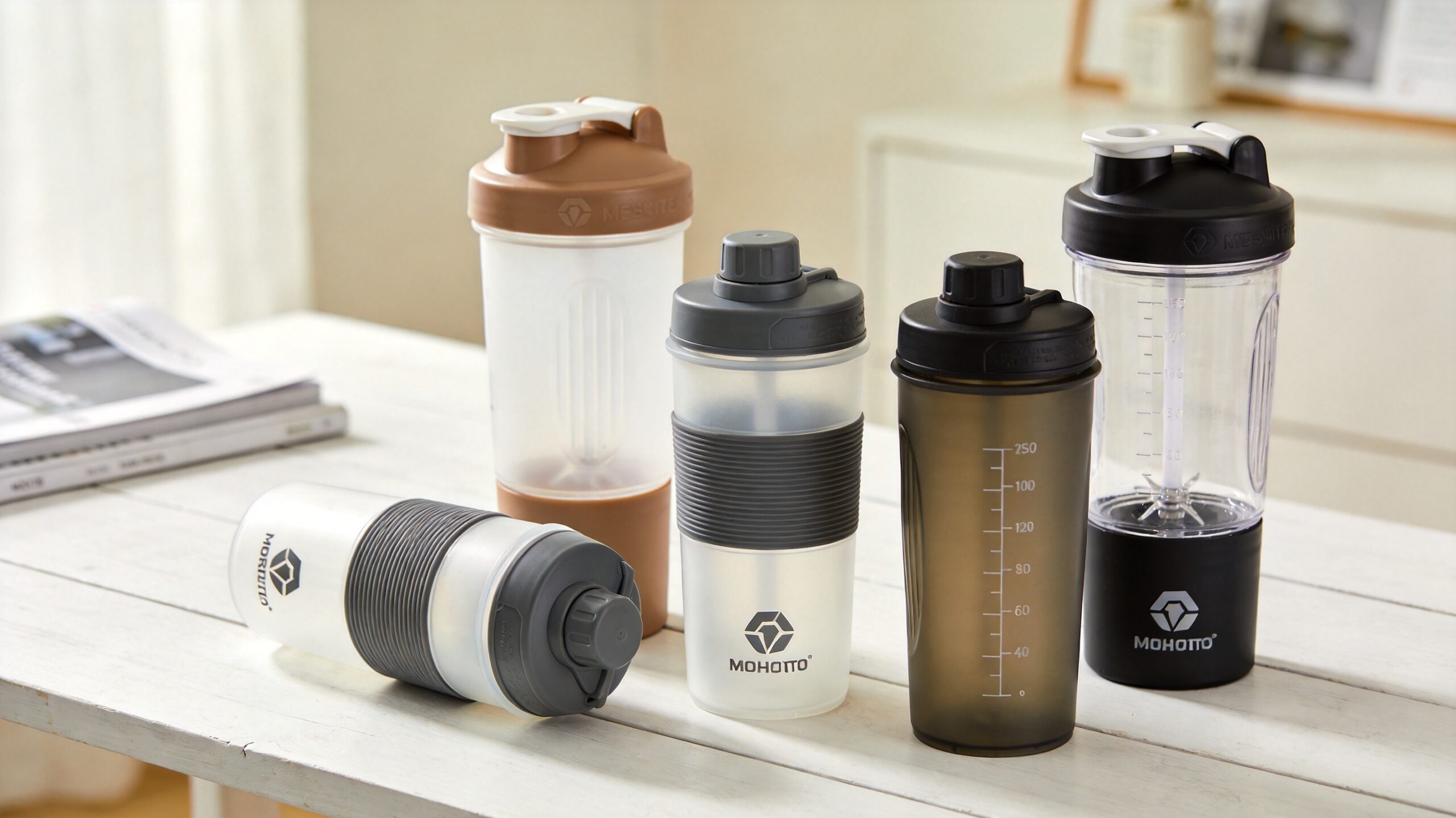
In the competitive landscape of sports nutrition, fitness accessories, and corporate wellness, the humble shaker bottle has evolved from a simple utility item into a powerful branding asset. For B2B buyers—whether you are a supplement brand, a gym chain, or a promotional products distributor—selecting the right custom shaker bottles is a strategic decision that impacts customer satisfaction, brand recall, and your bottom line.
With countless manufacturers, materials, and customization options available, the procurement process can quickly become overwhelming. This guide provides a comprehensive framework for evaluating, sourcing, and launching custom shaker bottles that align with your brand identity and operational goals. For a deeper look at how leading manufacturers approach this product category, you can explore our fitness shaker bottle collection as an industry reference.
Why Custom Shaker Bottles Matter for Your Brand
The Role of Shaker Bottles in Customer Retention
A shaker bottle is not merely a container; it is a daily touchpoint between your brand and the end-user. For supplement companies, the bottle is often the first physical interaction a customer has with your product after purchase. A high-quality, functional bottle encourages repeat usage, which in turn reinforces brand loyalty.
If the bottle leaks, breaks, or is difficult to clean, the negative experience can tarnish your brand’s reputation and lead to churn. Conversely, a durable, thoughtfully designed bottle becomes a staple in the user’s gym bag, ensuring your logo is seen during every workout session. This recurring visibility transforms a one-time purchase into a long-term brand relationship.
How Customization Boosts Brand Visibility
In a saturated market, differentiation is key. Off-the-shelf bottles with generic logos fail to make an impression. Custom shaker bottles allow you to control every visual element—from color schemes and logo placement to unique shapes and tactile finishes. A well-executed custom design can turn your bottle into a walking billboard.
When athletes carry your branded bottle to the gym, office, or park, they are endorsing your product to a wider audience. Moreover, distinctive customization signals to consumers that your brand pays attention to detail, which is a critical factor in premium product positioning.
Key Specifications to Evaluate Before Ordering
Material Options: Plastic, Glass, and Stainless Steel
The material of your custom shaker bottles dictates durability, weight, and user perception. Plastic (typically polypropylene or Tritan) is the most common choice due to its lightweight nature, shatter resistance, and cost-effectiveness. Tritan is BPA-free and offers clarity, making it ideal for showcasing the contents.
Glass bottles provide a premium, chemical-free feel but are heavier and prone to breakage, making them less suitable for gym environments. Stainless steel offers superior insulation and durability, but it is heavier and significantly more expensive. Your choice should align with your target audience’s lifestyle and your brand’s value proposition—if you are a budget-friendly brand, plastic is practical; if you are a luxury wellness brand, glass or steel may be more appropriate. For a comprehensive overview of available materials and styles, browse our full product range to see what leading manufacturers offer.
Capacity, Leak-Proof Design, and Mixing Mechanisms
Functionality is non-negotiable. Consider the typical serving size of your supplements—common capacities range from 500ml to 800ml. A leak-proof seal is critical; a bottle that leaks in a gym bag is a product killer. Look for manufacturers that offer double-sealed lids or silicone gaskets.
The mixing mechanism also matters: traditional wire whisk balls are effective but can be noisy and hard to clean. Newer designs feature integrated mixing blades or mesh screens that require no loose parts. For B2B buyers, offering a bottle with a superior mixing experience can be a key differentiator in your product line.
Printing and Labeling Techniques for Durability
Your logo will be subjected to frequent washing, rough handling, and UV exposure. The printing method you choose must withstand this wear. Screen printing is cost-effective for simple designs but may fade over time. Pad printing is suitable for curved surfaces. Heat transfer labels offer full-color, high-detail graphics but can peel if not applied correctly.
In-mold labeling (IML) embeds the label into the plastic during manufacturing, resulting in a highly durable, scratch-resistant finish. For a premium feel, consider UV printing or debossing on stainless steel. Always request abrasion and dishwasher-safety test results from your supplier before committing to a large order. For technical specifications on material durability, consult this technical reference from ScienceDirect.
Matching Shaker Bottle Types to Your Target Use Cases
Protein and Supplement Shakers for Gym-Goers
The classic protein shaker is your bread-and-butter product. These bottles should prioritize capacity (600ml+), a secure lid, and a reliable mixing mechanism. For gym-goers, portability is key—consider adding a carry loop or a compartment for storing powder. If your brand sells pre-workout or BCAAs, a clear plastic bottle allows users to see the liquid level and color, which is often part of the experience.
Insulated and Multi-Compartment Bottles for On-the-Go Users
Not all consumers want to mix their shakes immediately. Insulated stainless steel shakers keep liquids cold for hours, which is ideal for meal-prep users or those who commute. Multi-compartment bottles feature a dry storage pod for powder or snacks, enabling users to mix on demand without clumping. These higher-value items command a premium price point and are excellent for subscription boxes or loyalty rewards.
Eco-Friendly and Reusable Options for Corporate Gifting
Sustainability is a growing concern among corporate clients and end consumers. Offering custom shaker bottles made from recycled plastics, bamboo composites, or fully recyclable materials can open doors to corporate wellness programs and eco-conscious retail partnerships. These bottles often feature minimalist designs and earthy tones, appealing to a demographic that prioritizes environmental responsibility. For corporate gifting, consider adding a custom-printed sleeve or a reusable straw to enhance perceived value.
Comparing Custom Shaker Bottle Suppliers
Domestic vs. Overseas Manufacturing: Pros and Cons
Choosing between domestic and overseas manufacturing is a classic sourcing dilemma. Overseas suppliers (primarily in China and Taiwan) typically offer lower unit costs and access to a vast array of materials and molds. However, they come with longer lead times, higher shipping costs, and potential communication barriers.
Domestic suppliers offer faster turnaround, easier quality control visits, and simpler compliance with local regulations, but at a higher price point. For urgent orders or small batches, domestic is often safer; for large-scale production runs, overseas may yield significant savings.
Minimum Order Quantities and Pricing Tiers
MOQs vary wildly depending on the complexity of your design. A simple color change on a stock bottle might have an MOQ of 500 units, while a fully custom mold could require 5,000 to 10,000 units. Understanding your cash flow and storage capacity is crucial. Request tiered pricing structures—the unit price should drop significantly at higher volumes. Be wary of suppliers who quote extremely low prices but have hidden tooling or setup fees. Always ask for a full breakdown of costs, including mold charges, printing plates, and packaging.
Quality Control and Certification Standards
Your custom shaker bottles must meet safety and quality standards, especially if they will come into contact with food or beverages. Look for suppliers who comply with FDA regulations (for the US market) or LFGB standards (for the EU market). Certifications like ISO 9001 for quality management and BSCI for social compliance are strong indicators of a reliable manufacturer. Request a pre-shipment inspection report or hire a third-party quality control agency to verify that the finished products meet your specifications. To learn more about our manufacturing standards and capabilities, visit our about page.
Sourcing and Negotiating with Manufacturers
Requesting Samples and Prototypes
Never place a large order based solely on digital mockups. Always request physical samples of your chosen bottle style and customization technique. For a more accurate representation, order a prototype with your actual logo and colors. This step allows you to test the bottle’s durability, the printing quality, and the overall feel in hand. A reputable supplier will often provide samples at a nominal cost or free of charge for serious inquiries.
Lead Times, Shipping, and Customs Considerations
Clarify the production lead time—this typically ranges from 2 to 8 weeks depending on order size and complexity. Add buffer time for shipping, which can take 2 to 6 weeks for ocean freight. If you are importing, factor in customs clearance, duties, and potential delays. For time-sensitive campaigns, consider air freight despite the higher cost. Always build a buffer into your launch timeline to account for unforeseen delays.
Building Long-Term Supplier Relationships
The best pricing and quality come from long-term partnerships. Once you find a supplier that meets your standards, invest in the relationship. Pay on time, communicate clearly, and provide feedback on product performance. A loyal supplier is more likely to offer you priority production slots, better payment terms, and early access to new bottle designs. Consider signing a yearly contract to lock in favorable pricing.
Implementation and Launch Strategy
Packaging, Assembly, and Fulfillment Logistics
Your custom shaker bottles need to reach your customers in perfect condition. Decide whether the supplier will handle individual packaging (e.g., poly bags or boxes) or if you will manage kitting in-house. If you are bundling the bottle with a supplement sample, consider the assembly workflow. For e-commerce fulfillment, ensure the packaging is lightweight to minimize shipping costs. For retail distribution, the packaging must be shelf-ready with clear barcoding.
Marketing Your Custom Shaker Bottles to Distributors
To maximize volume, you may want to sell your custom shaker bottles wholesale to gyms, supplement stores, or corporate wellness programs. Create a compelling sell-sheet that highlights the unique features, customization options, and wholesale pricing tiers. Offer marketing support, such as high-resolution product photography and social media assets, to make it easy for distributors to promote your bottles. Attend industry trade shows to network with potential B2B clients.
Measuring ROI and Customer Feedback
After launch, track the performance of your custom shaker bottles. Monitor sales data, customer reviews, and social media mentions. Are customers praising the bottle’s functionality? Are there complaints about leaks or durability? Use this feedback to iterate on your next order. Calculate your ROI by comparing the cost of goods to the revenue generated and the value of the brand exposure. A successful shaker bottle program should not only be profitable but also serve as a catalyst for customer engagement.
Frequently Asked Questions for B2B Buyers
What Is the Typical MOQ for Custom Shaker Bottles?
The MOQ depends on the level of customization. For stock bottles with a simple logo print, MOQs often start at 500 to 1,000 units. For fully custom molds with unique shapes, the MOQ is usually higher, ranging from 3,000 to 10,000 units. Some suppliers offer lower MOQs for a premium per-unit price, which can be a good option for testing a new market.
How Long Does the Customization Process Take?
A standard order with an existing mold and screen printing typically takes 2 to 4 weeks for production, plus shipping time. If you require a new mold, add 3 to 6 weeks for mold creation and sampling. Always factor in time for sample approval and any necessary revisions. A realistic timeline from order confirmation to delivery is usually 6 to 10 weeks.
Can I Mix Multiple Bottle Styles in One Order?
Yes, most manufacturers allow you to mix different bottle styles, colors, or printing designs within a single order. However, this may affect your pricing and lead time. Mixing styles often requires separate production runs, which can increase setup costs. To get the best value, try to consolidate your order into a few standard variations rather than dozens of unique combinations.
Choosing the right custom shaker bottles is a multifaceted decision that goes beyond aesthetics. By carefully evaluating materials, functionality, supplier capabilities, and logistics, you can create a product that not only satisfies your customers but also elevates your brand in a crowded marketplace. Take the time to source strategically, test rigorously, and launch with a clear plan—your brand’s reputation depends on it. If you have specific questions about your order, our FAQs page provides additional guidance, or you can contact our team directly for personalized assistance.