
Why BPA-Free Plastic Cups Are Essential for Safe Food and Beverage Service
BPA-free plastic cups are crucial for safe food and beverage service. BPA, or Bisphenol A, is a synthetic compound commonly found in various plastic products, including food containers and drinkware. Understanding the implications of BPA-free plastic cups is crucial for businesses in the food and beverage industry, as its presence can pose significant health risks. In my experience, research has shown that BPA can leach into food and beverages, particularly when these items are exposed to heat or acidic conditions. This leaching raises serious health concerns, such as hormonal disruptions and potential links to chronic diseases. With increasing consumer awareness and demand for safer alternatives, it is essential for businesses to reconsider their use of BPA-laden products.
What Are BPA-Free Plastic Cups?
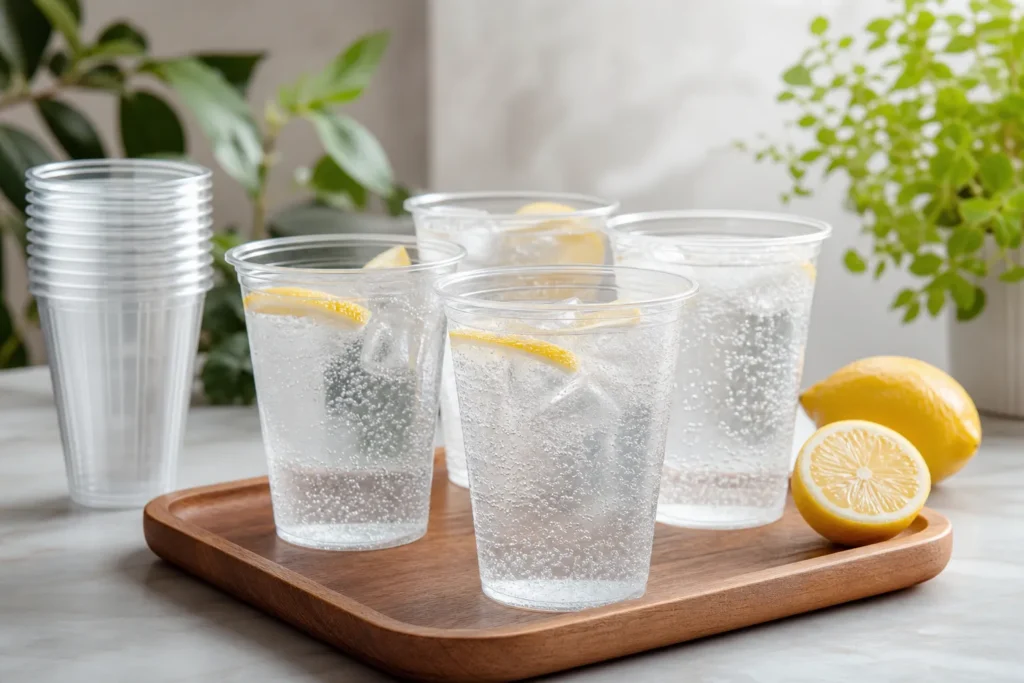
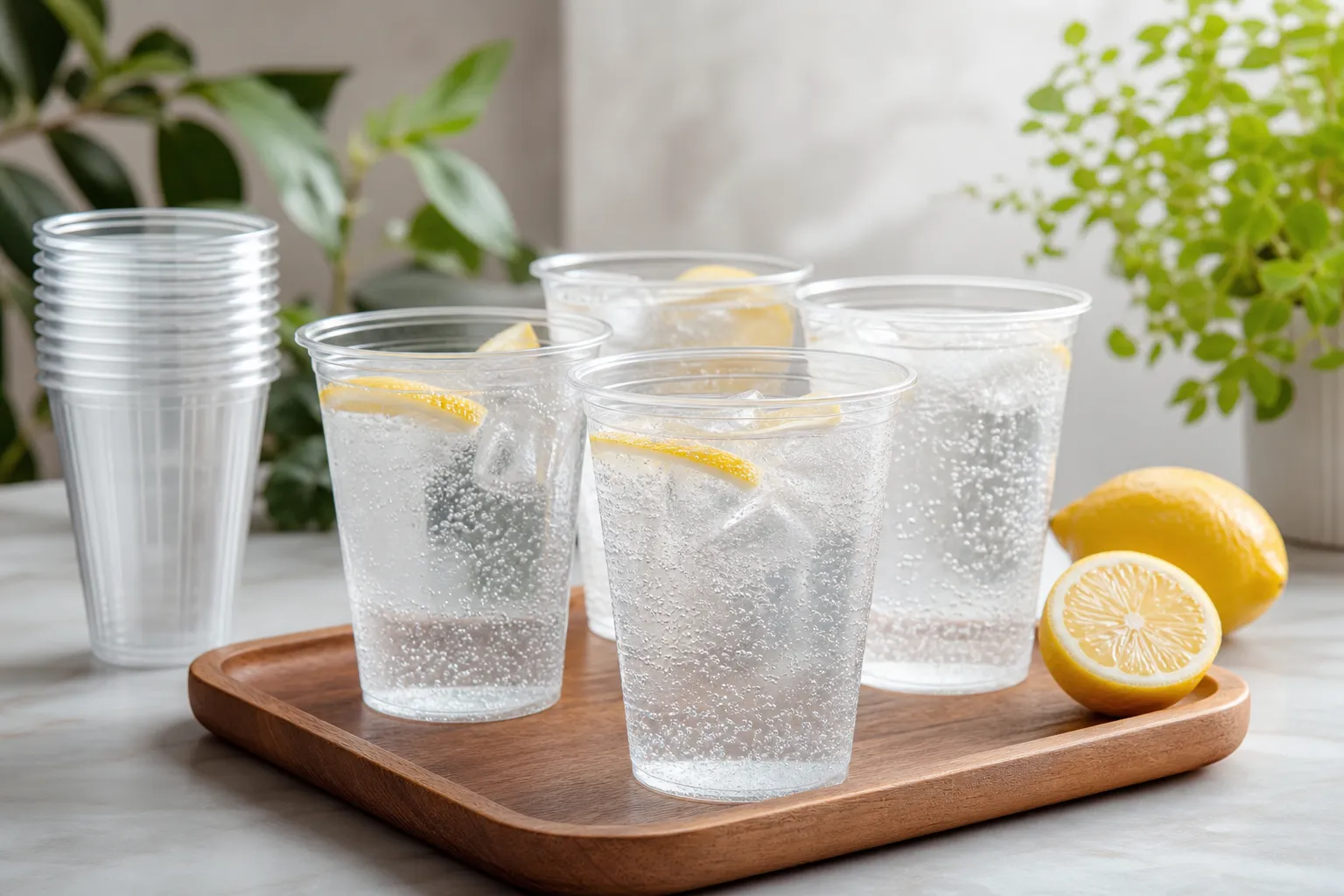
BPA-free plastic cups are manufactured without Bisphenol A, making them a safer alternative for food and beverage service. These cups are typically made from alternative materials such as polyethylene or polypropylene, which do not contain harmful chemicals. The benefits of BPA-free materials extend beyond health safety; they also contribute to environmental sustainability as many BPA-free options are recyclable. By opting for BPA-free plastic cups, businesses can ensure they prioritize customer safety while meeting growing regulatory standards. For a range of options, check out the Products – Taizhou Xuteng Plastic Industry Co., Ltd.
Importance of BPA-Free Plastic Cups in Food Service
The significance of BPA-free plastic cups in food service cannot be overstated. Regulatory bodies, including the FDA and EPA, have established safety standards that increasingly favor the use of BPA-free materials. This shift is not merely a trend; it reflects a growing acknowledgment of the need to protect consumer health. By using BPA-free plastic cups, businesses can significantly reduce the risk of chemical exposure, fostering a safer dining environment for customers. Moreover, this commitment to safety can enhance a brand’s reputation and build customer loyalty, which is invaluable in today’s competitive market.
Use Cases for BPA-Free Plastic Cups
BPA-free plastic cups are versatile and suitable for various applications within the food service industry. Catering and event services often require disposable drinkware that is both functional and safe. From what I have seen, BPA-free cups provide a reliable solution for large gatherings, ensuring guests can enjoy their beverages without health concerns. Similarly, restaurants and cafes can benefit from these cups, especially when serving hot beverages or acidic drinks. The use of BPA-free plastic cups can streamline operations while maintaining a focus on customer safety and satisfaction.
Comparing BPA-Free Plastic Cups with Traditional Plastic Cups
When comparing BPA-free plastic cups with traditional plastic cups, safety features are a primary differentiator. BPA-free cups eliminate the risks associated with chemical leaching, providing a safer option for food and beverage service. While traditional plastic cups may be less expensive upfront, the potential health risks and long-term implications can outweigh these initial savings. I believe businesses must consider the overall value of investing in BPA-free products, as they not only protect consumer health but also enhance brand integrity and compliance with regulations.
Sourcing BPA-Free Plastic Cups
Sourcing BPA-free plastic cups is essential for businesses committed to safety and quality. Wholesale options are widely available, allowing businesses to purchase in bulk at competitive prices. When evaluating suppliers, it is crucial to verify their certifications and the materials used in their products. Look for suppliers that prioritize transparency and provide detailed information about their BPA-free offerings. Establishing reliable partnerships with reputable suppliers can ensure consistent access to high-quality BPA-free plastic cups. For more information on sourcing, visit FAQs – Taizhou Xuteng Plastic Industry Co., Ltd.
Implementation in Your Business
Transitioning to BPA-free products is a strategic move for any food service business. This process involves not only sourcing the right products but also educating staff about the importance of using BPA-free materials. Staff training and awareness are vital to ensure that employees understand the benefits of these products and can communicate them effectively to customers. Implementing BPA-free options can also be an opportunity to revamp branding and marketing strategies, showcasing the business’s commitment to health and safety.
Frequently Asked Questions
- Are BPA-Free Cups Really Safe?
Yes, BPA-free cups are considered safe as they do not contain Bisphenol A, a chemical associated with various health risks. However, it is essential to ensure that the materials used are also free from other harmful substances. For a deeper understanding, refer to this technical reference. - How to Identify BPA-Free Products?
To identify BPA-free products, look for labeling indicating “BPA-free” on the packaging. Additionally, sourcing from reputable suppliers who provide detailed product specifications can help ensure that the cups are indeed BPA-free.
In conclusion, BPA-free plastic cups are not just a safer alternative; they are essential for businesses looking to prioritize consumer health and comply with safety standards. By understanding the risks associated with BPA, exploring the benefits of BPA-free materials, and implementing these products in food service operations, businesses can enhance their reputation and ensure a safer dining experience for customers.